The Different Types of Cosmetic Periodontal Surgery

February 23, 2009

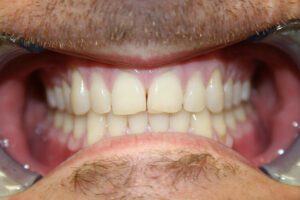
Everyone wants to have a prefect smile to look and feel good. However, many of us are also dissatisfied with our smile because of some oral problems related to teeth, gum line, and facial injuries. Cosmetic or plastic periodontal surgery is performed to provide the patient with a more beautiful smile by correcting an uneven gum line and problems with missing teeth and restorative procedures like crowns and bridges.

There are three types of cosmetic periodontal surgery: cosmetic crown lengthening, cosmetic ridge augmentation, and connective tissue grafting. Different problems related to gums are addressed by each of these methods to make the person undergoing treatment more satisfied with their smile and appearance.

A gummy smile can be addressed by the surgical procedure known as crown lengthening. The outline of the gum tissue is altered in order to expose more tooth structure. Sometimes this type of treatment is also required in restorative dentistry for making enough room for the crowns to be positioned properly. With this surgery, not only the appearance of the gums improves but also chances of developing periodontal disease are reduced. Moreover, the person feels more comfortable with their smile and finds it easy to speak, chew and eat.

The cosmetic surgical procedure of ridge augmentation is used to correct uneven gum margins due to a lost tooth. Normally when a tooth is removed, the gum surrounding the bone collapses and forms an indentation which affects the patient’s smile. This procedure can be considered the opposite of crown lengthening because in such a treatment the gum tissue is increased to make the new tooth look more attractive and natural. It is recommended to undergo this surgical procedure before new tooth replacements are made. Bone loss can also be prevented when a tooth is removed or lost by using some other treatments such as bone grafting.

Soft tissue grafting or subepithelial connective tissue grafting is performed to prevent gum recession and to protect uncovered root surfaces. It is also known as gum reconstruction in which a layer of healthy tissue is removed from some other location and placed over the site of gum recession. This procedure is required to protect the tooth and the root from being exposed. The gum tissues surrounding the bone not only shield our teeth from cold but also make them appear more pleasing to the eye. Soft tissue grafting is one of the treatments which are provided as gingival grafts. Some others include acellular dermal matrix, free gingival graft, and pedical graft.

If you are facing problems like excessive gingival display, gingival or gum recession, and trouble of the interdental papilla or the tissue between the teeth, you may be a candidate for one of the above-mentioned cosmetic periodontal procedures. They are surgical procedures because they involve putting the patient to sleep and the use of stitches in order to address a gummy smile or a recessed gum line. The treatments not only help to improve a person’s smile but are also required to protect the sensitive areas and to prevent further complications.

Symptoms of TemporoMandibular Joint Disorders and the Treatments

February 16, 2009

Temporomandibular joint disorder or TMD is a term which refers to a series of problems or conditions related to the area where the upper jaw and lower jaw meet. The chronic facial pain is also sometimes due to this disorder and professional treatment is required if the symptoms are prominent and persistent. Basically TMJ is of two types: the first one is related to muscles and it affects the jaw and the neck, and the second type is related to joints which is often a result of some other condition within the TMJ area such as inflammation, or disease which affects the entire body like degenerative arthritis.

Headache, and in some cases migraine, and facial pain are the most common symptoms of TMD. In addition to these, a person with the disorder of the temporomandibular joint may also experience ear and eye problems such as blurred vision, watering of the eyes, pain in the ears without any reason, and a feeling of giddiness. TMD affects the neck and the shoulders as well. Although there might be other causes for joint pains but if a patient also experiences a constant facial pain which has no other connection along with all these symptoms, there is a good chance that the person is suffering from TMD.

Teeth and gum problems like sensitive teeth and bleeding gums are also symptoms of this oral disease. The patient may find it difficult to open and close their mouth because of locking of the jaw. Pain and tenderness in the TMJ area can lead to more serious symptoms if it is consistent. It is advisable to consult a doctor when these symptoms become prominent. The treatments of this type of disorder may vary depending on the symptoms and causes. In some cases physical therapy alone can prove to be effective. In more serious cases oral appliances, occlusal therapy and medications might be required.

Since TMD affects the neck, head, shoulders and jaw, physical therapy is performed to correct the patient’s posture to ease tension in these areas. Massage and electrotherapy may help increase muscle strength and restore normal function of the joints. To control facial and joint pain the doctor may prescribe pain killers or some specific medicines for TMD. Uncomfortable or improper bites are treated with the help of oral appliances and occlusal therapy. When pressure is reduced in the TMJ area, chances of improvement are increased.

In some rare cases TMJ surgery might be the only viable option. If all other treatments fail to work, surgical procedures like arthroscopy (closed joint surgery) and arthrotomy (open joint surgery) are suggested by the doctors. Surgery may involve some oral procedures such as implants, occlusal adjustment and restorative dentistry procedures. Since these treatments are irreversible they are not recommended to patients who experience minor symptoms of this disease. Also keep in mind that prevention is always better than cure. So, if TMD and symptoms related to this disorder go away after physical therapy or similar treatments, you should not consider surgery.

Fixed or Removable Dentures - Which is better?

February 9, 2009

Dentures are used in place of missing teeth for the purpose of proper chewing, protection of the gums, improvement in speech, and for aesthetic reasons. There are many types of dentures depending on their structure and design. Two of the common types include removable and fixed dentures. Although many people prefer removable dentures because they are easy to maintain and also comfortable to wear, but the choice of dentures must be made according to the condition of your mouth and some other factors. Fixed and removable dentures are types of partial dentures that are worn by patients who are missing only some of their teeth.

Other than crown and bridgework, dental implants (or artificial teeth) are also placed as permanent fixtures in the mouth. Although they are enduring and in most cases appear just like natural teeth, these artificial teeth are harder to clean than removable dentures. Since they cannot be removed, they may become susceptible to inflammation and other oral problems. Furthermore, fixed dentures or implants are quite costly as compared to partial removable dentures. Bridges and dental implants are recommended only if you have one or two missing teeth. For those who have more injured, diseased, or lost teeth, removable dentures might prove to be the best option.

You might be thinking how can partial dentures be removable? Well, these types of dentures are designed like complete dentures and are meant for edentulous dental patients. An RPD or removable partial denture consists of six parts: major connector, minor connector, direct retainer, indirect retainer, the base, and the teeth. Different types of removable dentures are produced depending on the position of missing teeth. These can be divided into four classes: bilateral free ended, unilateral free ended, unilateral bounded, and bilateral bounded. The base is made up of gum-colored plastic and the teeth are connected by a metal framework.

At first it is difficult to get used to wearing removable partial dentures and you may require some practice to place the dentures properly in the mouth. However, they are easier to clean than implants and crowns which are fixed. While patients who wear complete removable dentures find it comfortable to use them only while eating or going out, those who wear removable partial dentures may choose to keep them on for as long as they want. However, if you feel swelling or pain, you may want to let your dentist know.

Partial dentures are delicate devices and therefore should be handled with care. Your dentist will give you complete guidelines on how to clean and care for them. It is not recommended to use toothpastes for brushing these artificial teeth and you should always remove them before brushing or flossing. Partial dentures are designed to protect the remaining teeth in your mouth, but you should also take extra steps to ensure proper oral hygiene in order to prevent gum disease and tooth decay. Removable dentures may prove to be quite useful and easy to use as compared to other treatments such as permanent implants or bridges.

Are Sleep Apnea and Snoring Related to Dental Health?

February 2, 2009

Sleep apnea is a breathing disorder characterized by pauses in airflow to the lungs during sleep. It is a condition which can become serious if not treated well on time. There are two types of sleep apnea: obstructive and central. It has been discovered that sleep apnea and snoring are not only related to each other but both conditions are also connected with the dental health of a person. Snoring is seen as a symptom of sleep apnea which may also indicate upper airway resistance syndrome – another condition related to the respiratory system. Some dental procedures and devices can control both these conditions giving the patient relief and comfort during sleep.

The most common dental procedure for the treatment of snoring is known as dental appliance therapy. A device is inserted into the patient’s mouth which prevents disintegration of the upper airway during sleep and hence cures snoring. However, this is only a temporary solution which does not involve treatment of some possible underlying conditions including sleep apnea. In addition to some self-help treatments like losing weight and avoiding alcohol and tobacco products for the cure of sleep apnea, oral devices and lower jaw adjustment devices are also used for the treatment of mild to moderate sleep apnea.

Two of the familiar dental appliances used for curing pauses in breathing during sleep are mandibular repositioning device and tongue retaining device. The first one is used for mandibular or lower jaw advancement in order to reduce the number of apneas (or periods) during sleep. Another device used for mandibular repositioning or advancement is known as the OASYS (Oral/Nasal Airway System). This device is effective for the treatment of both snoring and sleep apnea as it also acts as a nasal dilator to promote breathing through the nose instead of the mouth.

Some other commonly used devices for the treatment of these sleep disorders include Silent Nite and Silencer Professional. The first one is worn like invisible braces and comes as a tray which consists of a soft inner layer and a hard outer shell. This tray sits comfortably against teeth and comes with a tiny connector which is not visible but is responsible for providing comfortable breathing. Silencer Professional is a similar device which is designed for lateral advancement of the mandible with the help of a precision attachment made of titanium. Both these devices are easy to use and are quite popular among people who suffer from chronic snoring.

And last but not the least, the tongue retaining oral device can be used for the cure of snoring by the help of which the tongue is positioned forward to avoid coming in the way of the airway. Although the device is constructed of materials which do not interfere with other functions of the mouth, such devices are not easy to wear and also cause trouble in eating. Variations of this type of a device for tongue stabilization are also available but some of them have been deemed unsafe and are therefore not recommended for use.