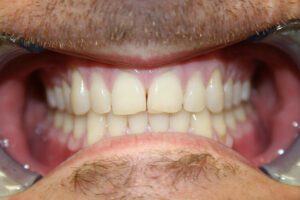
Smokers Are At Increased Risk Of Developing Gum Disease

June 23, 2009

Scientists have recently discovered that people who smoke tobacco are at an increased risk of developing chronic gum disease or periodontitis. Knowing the negative health impacts of tobacco smoking, smokers may feel motivated towards quitting this habit. It has been found that some bacteria in the mouth responsible for periodontal disease respond to the chemicals found in tobacco and cause gum disease and other oral complications. Furthermore, if a person has undergone oral surgery it may take longer to heal if they smoke tobacco and the condition starts deteriorating.People who smoke regularly have difficult-to-remove plaque on their teeth, which greatly contributes to developing gum disease later on in life. Moreover, excessive use of tobacco products make them lose bone and tissue that support the teeth, thereby making them vulnerable to bacteria attacks. Periodontal disease progresses with time, if no proper treatment is provided on time. It is therefore advisable to go through professional cleaning periodically as well as visit the dentist regularly to avoid further problems.Nicotine found in tobacco can compress the blood vessels, decrease oxygen flow to the gum tissue, and make it diseased. It has also been established that smoking contributes to serious oral problems in addition to gum disease, which include oral cancer. Since gum disease starts as an infection, it worsens when the person’s immune system fails to fight this condition properly. And it’s a known fact that smoking suppresses the immune system, thus making the person more susceptible to attacks by viruses and bacteria.Scientists have shown that the bacterium Porphyromonas gingivalis is the one that changes its structure and properties in response to coming in direct contact with chemicals found in tobacco. Due to this change, the immune system fails to recognize this bacterium as a harmful one and ignores its impact on oral health of the person. As a result, no antibodies are produced to fight against this infection. And because of this reason, smokers are generally resistant to the treatment of periodontal disease. However, now that the cause of this resistance has been found, treatments that are more efficient will now be available to cure gum disease in its early stages.People who have quit smoking have better chances of getting rid of gum disease or infection in its early stages. It has also been found that smoking may conceal some important symptoms of gum disease, thereby making it difficult to identify. If you smoke on a regular basis and see any of the symptoms of gum disease, you should immediately see a doctor. Some of these conditions include chronic bad breath, loosening of teeth, receding gum line, and changes in the bite.The best way to prevent gum disease and other oral complications associated with this illness is to quit smoking for good. Never underestimate the value of regular dental check-ups and proper oral hygiene. You should be aware that if the disease is not diagnosed in its early stages, it becomes very difficult to cure. So, save your teeth and overall oral health by saying no to tobacco smoking.

How To Treat Chronic Bad Breath Effectively

June 15, 2009

Chronic bad breath or halitosis is an embarrassing condition, which is caused by poor dental hygiene and certain other factors. Systemic illnesses like diabetes and liver disease also cause bad breath in some people. If bad breath is caused by internal infections and poor dental hygiene, it may not be easy to get rid of it completely. A proper diagnosis is necessary to determine the cause of this condition in order to cure it effectively. Your dentist will be able to tell if the smell of your breath is alarming, suggesting the presence of a more serious illness, such as kidney failure or uncontrolled blood glucose levels.

If your bad breath is merely caused by neglected oral hygiene, some mouth freshening and cleaning procedures will cure the condition effectively. However, if the problem is persistent, you might be in need of a more thorough examination and treatment. A yellow film on the tongue characterizes a chronic bad breath problem. Moreover, no matter how extensively you brush your teeth the problem keeps coming back. Bacteria that cause bad breath cause a yellow film on the tongue. Getting rid of this film by using effective tongue cleaners will help in curing or reducing chronic bad breath.

Another symptom of halitosis is dry mouth. This condition is ideal for bacteria to thrive in the mouth. Because of this reason, when we wake up in the morning our breath smells bad due to decreased production of saliva during sleep. Drink lots of water to cure dry mouth, otherwise you will be inviting a number of changes to take place inside your mouth that will eventually cause bad breath and other oral complications. Anti-depressants and coffee can cause a dry mouth. Avoiding these and chewing a sugar-free gum on a regular basis help to cure dry mouth as well as bad breath.

It is advisable to undergo professional treatment instead of trying out products available on the market for the cure of bad breath. They might be effective in curing the problem temporarily, but what’s the use if it keeps coming back? A dentist will use certain diagnostic procedures along with x-rays and an analysis of the patient’s breath and saliva in order to suggest the right treatment. Some products like breath mints, sprays, and mouthwashes should be used in addition to a professional treatment to maintain a fresh breath. In addition to these, tongue cleaners and fluoride toothpastes should also be used on a regular basis.

Natural or herbal treatments are effective for the cure of chronic bad breath. These are also known as home remedies and consist of ingredients like menthol, eucalyptol, thymol, methyl salicylate and some others. In addition to these, peppermint and fennel seed are also effective herbal cures for bad breath. These substances are often added to toothpastes, chewing gums, and mouthwashes to pep up the mouth. Some system cleansers and detoxifiers are available on the market for the treatment of halitosis. Manufacturers of these systems claim that their products can cure bad breath by addressing its underlying causes, such as liver or lung disease.

High Levels Of Blood Sugar - Increased Chances Of Periodontal Disease

June 8, 2009

Periodontal disease and type-II diabetes have a strong connection as the latter has been found to be a major cause of the oral disorder commonly known as gum disease. Another relationship between these two illnesses is that if a person suffers from periodontal or gum disease, their blood glucose level rises, thereby setting the stage for type-II diabetes. High blood sugar level can cause tooth and bone loss if not controlled or treated on time. Diabetic patients are therefore advised to clean their teeth regularly and extensively to keep away harmful bacteria and infection that develops into gum disease if proper treatment is not provided.

Poorly controlled diabetes negatively affects the gum tissue in a number of ways. The interaction of cells within the gum tissue changes because of high level of protein glycation. A decreased blood flow due to reduced collagen metabolism also increases the vulnerability of the gum tissue to bacterial attacks. In addition to these, the immune system fails to recognize certain harmful bacteria in mouth and does not produce necessary antibodies to fight the infection. The result of all these negative changes due to increased blood glucose level is an infected gum tissue, which further deteriorates and causes periodontal disease.

Although type-II diabetic patients are generally resistant to the action of insulin, those who also suffer from gum infection develop insulin resistance over time. As a result, it becomes even more difficult to control the rise of blood glucose levels. It is therefore advisable to visit a dentist every 3 months or so and have a detailed checkup to look for any problems. Remember that not all diabetic patients suffer from gum disease, but those who do not properly clean their teeth and indulge in activities like drinking and tobacco smoking are at an increased risk of developing periodontal disease.

The important point to remember is that poorly maintained oral hygiene may be a contributing factor towards high sugar level in blood. Improve your gum tissue health by properly brushing your teeth after every meal and undergo a treatment for reducing gum tissue swelling. There are special medicines available for the treatment of insulin resistance. Do not let this condition go unnoticed by your doctor and have proper tests done to diagnose it on time. People who suffer from gum infection or early symptoms of periodontal disease are at risk of developing type-II diabetes and therefore they are advised to consult a specialist for proper treatment.

Some symptoms of gum disease include frequently bleeding gums, improper bite, loose teeth, receding gum line, and red or swollen gums. If any of these symptoms have already materialized and you suffer from type-II diabetes, immediately see a doctor so that treatment could begin. It is also advisable to eat a well-balanced diet and avoid smoking and drinking alcohol to control both high blood sugar levels and gum infections. If early symptoms of gum disease are ignored, a more serious type of periodontal disease can occur, known as periodontitis, which is difficult to treat and often causes bone loss and many other oral complications.

Does Fluoridated Water Help Fight Tooth Decay?

June 3, 2009

Fluorides are compounds that contain fluorine and are naturally present in water. Fluoride can help fight tooth decay and prevent the formation of cavities. That is why fluoride toothpastes get so much attention the world over. Recently it has been found that drinking fluoridated water is a way to prevent tooth decay. However, this topic remains a controversial one, as some people believe fluoridated water can cause cancer. So, the question is, does fluoridated water really help in fighting oral problems? And is it safe to drink water that has high level of fluoride?

Nowadays fluoridated water is made available to public to help fight tooth decay and other oral problems. This type of water contains fluoride at a level effective for fighting against cavities, which has been suggested by WHO to be 0.5 to 1.0 mg/L. Since controlled fluoride levels are added to public water supply it is safe to consume this water. However, we cannot be sure about the amount of fluoride contained in bottled water. Moreover, some water filters used at home can remove fluoride from water, so the right type of filter should be installed at home in order to prevent oral complications including tooth decay and cavities.

Several studies have shown that fluoridated water can help fight tooth decay, reduce the need for fillings, and tooth extractions. Moreover, community water fluoridation is a cost-effective way to prevent disease and conditions related to oral health. Some bottled water also contains fluoride but the manufacturers do not state explicitly if their water contains fluoride. Instead, they simply list the additives that have been added for water fluoridation, such as fluorosilicic acid, sodium fluorosilicate, and sodium fluoride. If these ingredients are listed on the bottle of mineral water, you can be assured that it contains fluoride.

Sodium fluorosilicate and sodium fluoride are dry additives which are dissolved in some solution before adding them to the water. These additives are produced through a heating process, which is initiated with the addition of sulfuric acid. Water treatment plants are required to meet quality standards for these additives to be added to the bottled water. If these standards are not being met by the manufacturers, the bottled or mineral water may not be as effective as community water in fighting against tooth decay.

Water fluoridation does not alter the physical properties of drinking water. However, it may cause dental fluorosis which is a condition characterized by appearance of white spots on the surface of teeth. Other than this, no adverse health effects of drinking fluoridated water have been reported so far. Remember that drinking this type of water is only a way to prevent cavities. If you already suffer from tooth decay, it is advisable to undergo a proper treatment instead of drinking fluoridated water or using fluoride toothpastes.

Despite the strong evidence that supports its benefits, water fluoridation is still a topic of debate in many countries around the world. Always make sure that the water you drink is of high quality, does not contain any harmful additives, and has been declared fit for drinking.