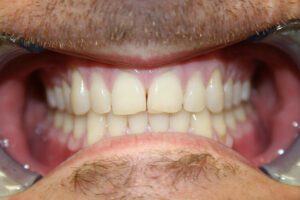
Myths and Misconceptions about Root Canals
June 27, 2011
Root canals are still an alarming name to many of us. To get a clearer picture of root canals, on should be aware of the following myths about them and get rid of all the misunderstandings and misconceptions about them.
i. Root canal treatment is not painful anymore
It is true that the treatment for root canal used to hurt a lot previously. The American Association of Endodontists claims that the root canal procedure is no more painful due to the advent of modern techniques and technology. So, it is very important to inform the unaware patients who are afraid of the pain they are predicting.
ii. Root canal is time taking
People often postpone or cancel their root canal treatment due to lack of time as they could not visit the dentist too often or for too long. However, the modern technology has made it possible to have your root canal done in just one or two visits.
iii. Root canal due to crowning
It is not at all right to relate crowns with the need of root canal. People think that it is the crowns which eventually lead to root canal therapy. It is wrong. If a crowned tooth needs root canal, it is probably because the underlying tooth has abscessed or the infection has reached the roots of the tooth.
iv. Root canal does not cause diseases
In older days people assumed that root canal therapy causes other diseases. Today, due to the accurate sterilization and root canal treatment advancements, this misconception has disproved totally. A person having a root canal is no more at risk of developing some ailment.
v. Root canals remove roots of teeth
It is a common disbelief that the dentists take out the roots of the teeth under root canal therapy. This is not true again. The pulp of the tooth is taken out, and not its root.
vi. Root canal is safe for pregnant women
Pregnant women can safely have root canals. Most of the women are afraid of the x-ray done for examining the tooth. The x-ray is intended for the oral region, and the abdominal region plus the growing kid inside are safe from its hazardous effects. Moreover, the radiologist covers the abdomen with shield cover to protect it more. Some other women are afraid of the anesthetic drugs. Keep your dentist informed about your pregnancy so that he can choose a safe anesthetic drug for you.
vii. Root canal does not persist
People let their teeth suffer as they think the affected tooth will come out over the time. If proper care is given with proper hygiene to the tooth, the root canal tooth persists for life.
viii. Pain is not always seen as a symptom
Usually the tooth aches when it requires root canal treatment. But it does not mean that if there is no pain, there is no need for a root canal. Dentists and associated professionals can determine the situation of your teeth well. Seek their medical advice for better therapy.
ix. Root canal is always better than having your entire tooth pulled out
There is no alternative to natural things. Similarly there is no substitute for natural teeth. Try to keep them intact as long as possible. It is always better and recommended to get your damaged tooth a root canal treatment. If not, your natural tooth may get lost. Of course there are alternatives like dentures, partial dentures, dental implants and fixed dental bridges but they are not only expensive but hinder proper eating and chewing.
x. Root canal follow ups
For complete restoration of your tooth, make follow up appointments with your dentist. It is very important for its complete health to have it checked by the dentist.
Treatments For Osteonecrosis Of The Jaw (ONJ)
June 14, 2011
One of the disorders that are developing and have no real treatment is Osteonecrosis of the Jaw (ONJ). It is also known as the “jaw disease”. In some cases, when the dental procedures are not as hygienic as they should be, oral infections take place. They are much severe in osteoporosis patients that take bisphosphonates. Initially ONJ was seen in those patients who used to take these medications as intravenous drugs. But the recent studies have shown the results otherwise too. Taking bisphosphonates orally can lead to the same condition. Bisphosphonates and Boniva, Bonefos, Aredia, Zometa, Actonel, Fosamax are few names of the drugs which are used to treat patients of cancer, degenerative bone disorders, osteoporosis, and Paget’s disease.
Osteoporosis specialist, Dr. Fred K. Viren, M.D., suggests that for better precautionary steps deal with the condition generated by a long latency period. That is the oral bisphosphonates can be obstructed to affect adversely for years; only the patients are to be cultivated. Osteoporosis is the most common ailment in America and every year the number is increasing. To cure it, bisphosphonates is recommended. Smaller doses of this drug can lead to some amount of it to remain in the body and play the longer latency periods.
“Half-life” of a drug determines how long would it remain inside the body. Anyone can determine the half-life of a drug online or from the drugs’ listings. The estimated half-life of bisphosphonate is:
Boniva = 4.6-15.3 hr. for Intravenous 2mg after 2 hr. (Intravenous and Oral)
Boniva = 5 - 25.5 hr. for Intravenous 4mg after 2 hr. (Intravenous and Oral)
Bonefos = 13 hr. for Intravenous (Intravenous and Oral)
Aredia = 28 +/- hr. (Intravenous and Oral)
Zometa = 146 hr. (Intravenous)
Actonel = 480 hr. (Oral)
Fosamax = 10 years (Oral)
The use of bisphosphonate shows the symptoms of ONJ causing the alteration or disturbance in bone cycle. It also causes pain, bones become fragile and jaws disfigure. There is no true treatment solely for ONJ. Some of the treatments that are being used to treat the condition are Antibiotics, Jaw reconstructive surgery, reconstruction using bone, surgical debridement, reconstruction using plates, and hyperbaric oxygen therapy etc. but these treatments are not much effective.
Some of the other factors causing ONJ are:
• Considerable pressure is put on the bone during some dental procedures
• Bisphosphonates affects the antiangiogenic that leads to vascular supply
• The duration bisphosphonate stays inside the body
• The duration for how long the patient has been taking bisphosphonate
• The action of mastication muscles
• How strong bisphosphonate doses are?
• The periodontal condition
• The general condition
Vitamin D is under study as it can strengthen bones when prescribed and taken properly and in accurate amounts. Unfortunately, majority of us do not know that we are deficient in Vitamin D. Finding it is not so difficult. You can have a simple blood test and here you go!